Why Ventilated Containers Are a Turning Point in Global Shipping
In the dynamic world of cargo transportation, one invention stands out for its clarity and usefulness: the ventilated container. From seasoned freight forwarders to international exporters, professionals across the shipping industry are increasingly relying on these purpose-built containers. Why? Nothing ruins a shipment faster than unseen moisture buildup, temperature fluctuation, and trapped humidity.
That’s where shipping container ventilation becomes a silent but powerful safeguard. In this guide, we’re not just exploring what a ventilated box or container is; we’re diving into the hidden systems, science, and logistics strategies that make them essential.
By the end of this blog, you’ll understand how a ventilated shipping container works, how to optimize its container ventilation system, and how its unique advantages may redefine how we think about transporting goods around the globe.
Ventilated Container Overview: What Sets It Apart?
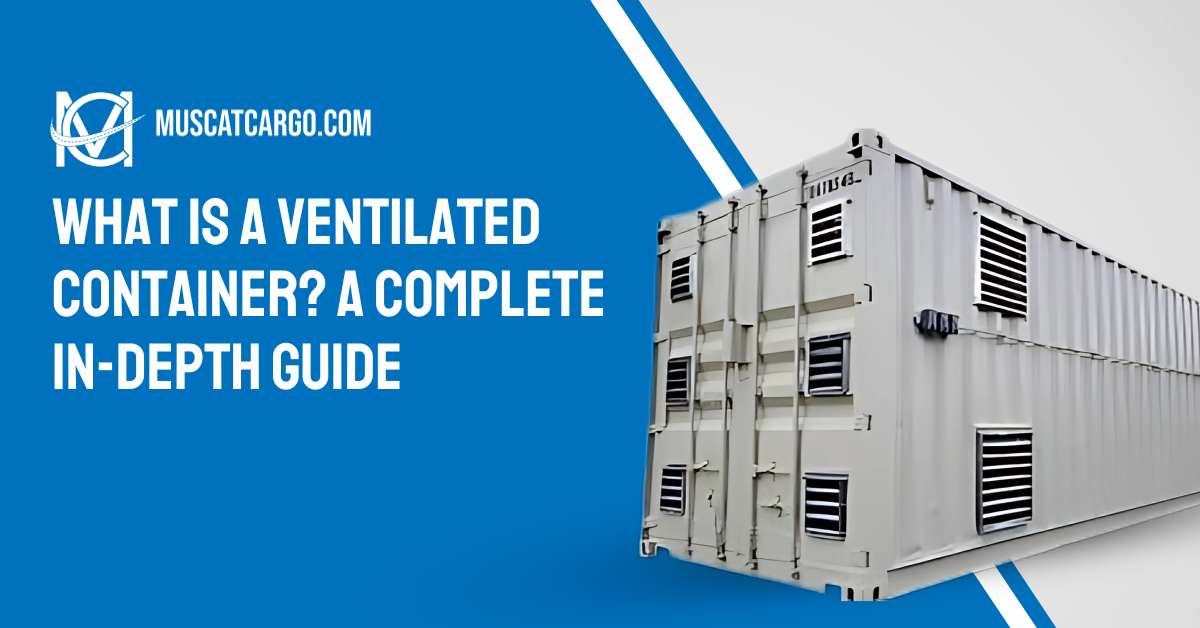
At first glance, a ventilated box might look like a regular steel box, but a closer inspection reveals its superpower: strategically placed vents that ensure continuous airflow. This simple engineering tweak allows cargo to breathe quite literally.
Unlike standard sealed containers, a ventilated shipping container prevents moisture from condensing on the walls, floors, and roof. That moisture, sometimes known as container rain, can be a silent killer of products like coffee beans, textiles, lumber, and even chemicals.
With a purpose-built container ventilation system, these containers use passive airflow to protect their cargo, leveraging the natural pressure differences between the inside and outside of the container to create a breathable microclimate inside.
The Importance of Shipping Container Ventilation in Logistics
Imagine shipping high-quality cocoa from Ghana to Germany. It’s a long voyage. The cargo goes through temperature variations from tropical heat to cold Atlantic air. Without a robust shipping box ventilation system, condensation is almost guaranteed. Moisture damages the cocoa and the container, leading to moldy interiors, rusted walls, and potential contamination. The genius of ventilated box or container design lies in how it mitigates these risks.
Good shipping container ventilation turns potential disasters into smooth deliveries, whether you’re shipping grains from India, garments from Bangladesh, or handcrafted wooden furniture from Indonesia. The unseen supply chain hero is quietly working in the background to maintain product integrity.
Ventilated Container Benefits You Didn’t Know About
Beyond just air circulation, ventilated boxes or containers offer multi-layered benefits. First, let’s talk about longevity. By preventing moisture from lingering inside the container, the risk of deterioration and rust is minimized, extending the life of both the container and the goods inside.
Next is product quality; certain goods require airflow to stay fresh. Think tobacco leaves, cotton bales, or even freshly cut flowers. These products could degrade without a container ventilation system before reaching the customer.
Additionally, ventilated shipping containers help maintain temperature equilibrium. While they don’t actively cool cargo, their airflow ensures heat doesn’t build up internally. This can make all the difference during long hauls or when containers are stacked under direct sunlight. Lastly, one underrated benefit is odour management. Some goods, like certain chemicals or raw materials, emit gases that need to escape. A ventilated container ensures those emissions don’t build up to dangerous or damaging levels.
How the Container Ventilation System Works Behind the Scenes?
At the heart of every ventilated box is its container ventilation system. This isn’t a fan or an HVAC setup; instead, it’s a clever arrangement of vents, usually near the top corners or along the side panels, allowing fresh, stale, moist air to exit. It’s a passive system, yet incredibly effective when combined with intelligent loading and packing strategies. Air circulates based on pressure differences caused by temperature changes or movement.
In some advanced ventilated shipping boxes, the ventilation design includes slatted floors or perforated bulkheads to aid air distribution around the cargo. Some containers even integrate roof or end-wall vents that draw warm air upward, leveraging the natural heat rise to help airflow. This thoughtful simplicity makes container ventilation systems so dependable and cost-effective.
Ventilated Container Uses That Go Beyond Traditional Cargo
If you think ventilated boxes or containers are only for agricultural goods, think again. The list of ventilated container uses is as diverse as global trade itself. For example, some automotive companies use them to ship spare parts and rubber-based products that need to stay dry and cool. Fashion brands rely on ventilated shipping boxes to move raw fabric or finished apparel that must arrive wrinkle-free and mould-free.
Even tech companies occasionally use them for hardware that humidity can affect. Then there’s the humanitarian sector, where ventilated boxes are often deployed in disaster relief efforts to transport sensitive medical supplies or food aid across continents. They are also a favourite in high-humidity zones where container rain is recurring. In short, wherever air matters, so do ventilated containers.
Ventilated Container Best Practices That Can Save Your Shipment
Using a ventilated box or container doesn’t automatically guarantee safe cargo; there’s an art to getting it right. First, never block the vents. Poor loading practices often result in cargo stacked against the air inlets, restricting airflow. Always leave space for air to circulate, especially around moisture-sensitive goods.
Secondly, know your cargo. Use moisture barriers or breathable packing materials as needed, depending on what you’re shipping. Third, supplement your container ventilation system with moisture absorbers or desiccant bags for protection, especially during long sea voyages.
Another often-overlooked tip is to load the cargo during cooler parts of the day to minimize the initial heat inside the container. Also, regular inspection of vents before every use is a must. Damaged or clogged vents can turn a ventilated shipping box into a sealed trap. Implementing these ventilated box best practices can be the difference between a flawless delivery and a ruined shipment.
Why the Ventilated Container Is the Future of Smart Shipping?
The rise in climate awareness, sustainable logistics, and cost-efficient transport solutions points to one conclusion: ventilated box or containers are more relevant than ever. As companies seek greener ways to ship cargo without investing in high-energy refrigeration or complicated climate control systems, ventilated shipping boxs’ passive cooling and airflow capabilities offer a viable, eco-friendly alternative.
The simplicity of the container ventilation system makes it accessible even to small and mid-sized shippers, allowing them to protect their products without breaking the bank. Moreover, as global regulations on containerized shipping tighten, particularly around food safety, pharmaceutical stability, and environmental impact, the demand for more innovative, cleaner solutions will only grow. Ventilated box or containers sit comfortably at the intersection of functionality and sustainability.
Ventilated Containers—Silent Guardians of Cargo Integrity
In a world where delays, damages, and spoilage can translate into massive financial losses, the humble ventilated box acts as a silent guardian. It doesn’t beep, buzz, or blink; it simply breathes. With a well-designed container ventilation system, innovative logistics teams can protect sensitive cargo through natural airflow and thoughtful engineering.
Whether shipping tropical fruit across hemispheres or delicate fabrics across borders, a ventilated shipping box can distinguish between victory and failure. By embracing ventilated box or container best practices, understanding the breadth of ventilated box uses, and leveraging the proven ventilated container benefits, you can stay ahead of logistics challenges and ensure your goods arrive just as intended.