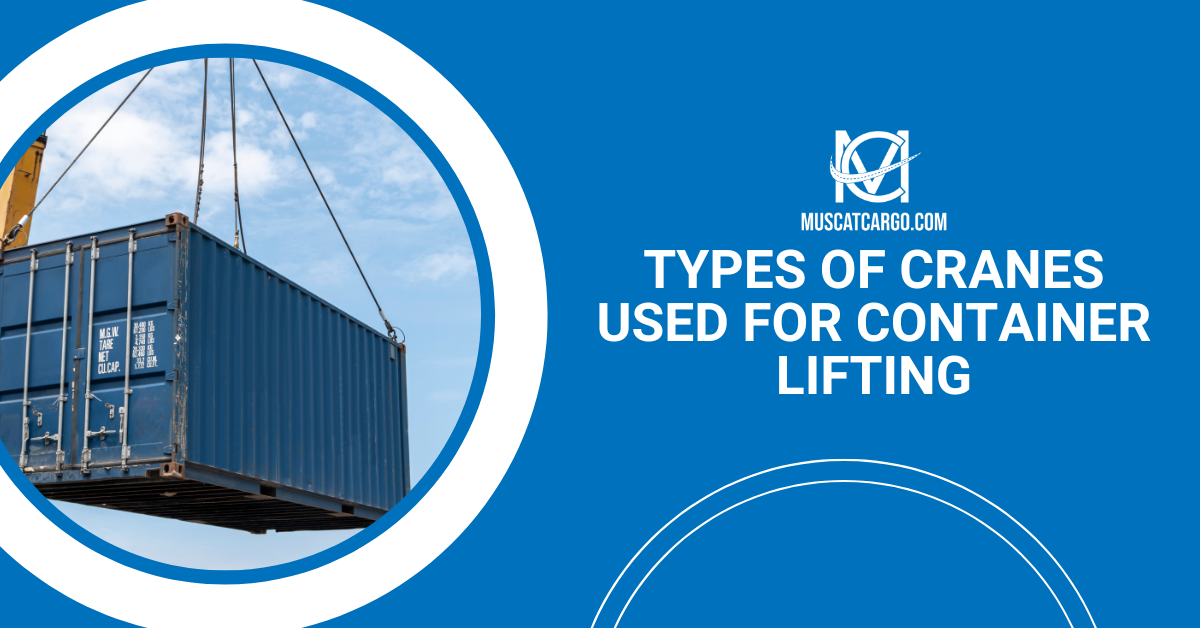
Types of Cranes Used for Container Lifting and Why They Matter
When you press “buy” online, you probably picture the delivered package, but behind it is a world powered by the types of cranes used for container lifting. These giant machines perched on docks and brandishing long arms don’t just move metal boxes; they’re the pulse of global trade.
Each crane type brings unique strengths: some can perform dual-container lifts with hypnotic precision, others race across yards rearranging stacks in seconds. Their feats of lifting dozens of tons with effortless grace are modern engineering marvels that most of us witness without ever realizing.
And yet, they’re the silent backbone of every supply chain, shipping route, and distribution center on Earth. The complexity and efficiency behind their operation make them a subject of immense curiosity for engineers, logistics experts, and anyone intrigued by global commerce.
Container Cranes That Change Ports into Beehives of Efficiency
Walking through a busy port, you’ll notice the majestic container cranes towering above. Though they look static from afar, these cranes are constantly in motion, coordinating with trucks, trains, and ships in a choreography of steel and logistics. They lift, swing, and place containers with the precision of a surgeon.
Yet, underneath this ballet lies high-tech wizardry load sensors, wind compensation systems, motion-dampening mechanics, and real-time data feeds into terminal software that reads and queues lift orders instantly. Every container placed is tracked, timed, and tuned for efficiency. These cranes aren’t relics; they’re humming nerve centers enabling commerce at a global scale, working faster and smarter than ever, and adapting to growing volumes and tighter shipping deadlines.
Types of Container Cranes That Match Every Port’s Unique Needs
One of the most fascinating aspects of the types of container cranes is their sheer variety. You’ll find ship-to-shore cranes and towering machines that deftly transfer containers between ocean vessels and the dock at the quay line. Venture further into the yard and see rubber-tyred gantry cranes (RTGs) rolling over endless container stacks like mammoth chess pieces.
Rail-mounted gantry cranes (RMGs) glide along tracks in intermodal terminals, orchestrating container-to-rail transfers with automated precision. Mobile harbor cranes add versatility, and floating cranes offer flexibility for smaller or evolving ports.
This diverse lineup of cranes ensures that whether it’s a mega port like Rotterdam or a strategic Gulf location like Muscat, every port can modify operations with the perfect set of cranes for their specific trade profile and geographic conditions.
Container Lifting Equipment That Does the Last Mile of Cargo Journeys
Once containers leave the dock, lifting equipment like reach stackers and straddle carriers take over to run final delivery routes within terminals. Reach stackers zip around with compact turbulence, lifting containers off transport trucks and stacking them five highs with surprising delicacy. Straddle carriers three stories tall rollover containers, hoisting them gently into place and positioning them for the exit.
While they may seem like simple machines, they’re fitted with GPS guidance and load-balancing systems to avoid mishaps and bottlenecks. Together, they handle the last-mile chore of logistics with speed and style, ensuring every container finds its place before heading out on rails, roads, or toward export. Their contribution, often overlooked, is what maintains the swift movement of goods in even the most congested terminals.
Port Cranes Bringing Intelligence and Power to Every Lift
Gone are the days when port cranes were simple levers and cables. Today’s cranes are intelligent machines infused with technology: remote operation stations, advanced diagnostics, and sustainable features like shore-power electric hookups and regenerative brake systems.
Imagine a crane that alerts engineers to a misaligned take-up or a worn motor before a catastrophic failure. Some vocational ports in Europe and Asia already feature hybrid RTGs that swap diesel for battery power, slashing emissions and noise. These cranes are becoming intelligent agents with self-monitoring capacities and remote-control functions that keep terminals humming while conserving energy and keeping workers safe. Port cranes in modern ports like Muscat symbolize power and an alteration toward more innovative, greener logistics.
Ship to Shore Cranes Turning Quays into Performance Stages
For sheer spectacle, nothing beats a ship-to-shore crane performing its duty. These giants, 40 to 60 meters tall, lean over colossal vessels, plucking containers from ocean decks and swinging them with hypnotic grace to shore. Some can lift two containers simultaneously, cutting vessel berth time in half.
These cranes don’t just rely on brute strength; they use active stabilization systems to compensate for ship movement, wind, and shifting loads. Many are piloted remotely via high-resolution video feeds, giving operators a panoramic view and surgical precision.
Watching an STS crane work is like watching a ballet steel-to-steel connection guided by invisible hands of software and skilled coordination. Every movement is deliberate, every second calculated, showcasing how engineering meets artistry in reliable logistics.
Container Handling Cranes Keeping the Chain of Commerce Flowing
Once a container lands on shore, the logistics ballet moves into high gear with container-handling cranes. RTGs, RMGs, mobile harbor cranes, and even floating units take over, shuffling boxes around like puzzle pieces. These lifts are choreographed by advanced terminal operating systems that look ahead for trucks, track rail schedules, and optimize stacking.
Automation levels range from semi-autonomous to fully automated systems where cranes move without human input, guided by RFID-tagged container IDs and fleet-wide coordination commands. This high-tech transition process is why your international shipments arrive on schedule despite the ocean, desert, and highway miles they traverse. Container-handling cranes honestly act as the hidden conductors of global commerce.
Container Crane Types That Are Getting Smarter and Greener
We’re now witnessing a revolution in container crane types. Diesel-powered RTGs are being swapped for quiet electric versions; ship-to-shore cranes are getting smart sensors that anticipate failures; floating cranes use GPS-based station-keeping.
Artificial intelligence predicts maintenance needs based on vibration or temperature changes. With greener power options like shore connections and solar farms powering crane yards, ports aim for zero-emission operations. This shift isn’t just cosmetic; it reduces operational costs, boosts uptime, and meets strict environmental regulations. The new generation of cranes lifts not only containers but also the entire value of sustainable commerce, rewriting the rules for what logistics can achieve in the age of intelligent automation.
Container Lifting Machines That Are the Silent Engines of Global Trade
You might not notice them, but container lifting machines are everywhere, from bustling Chinese ports to river terminals in Europe, inland depots in the Americas, and container hubs across the Gulf region. These machines, STS cranes by the quay, RTGs in yards, and reach stackers pulling double duty are the silent engines of global trade. They’re dependable, versatile, and evolving.
As trade volumes grow, ports like Muscat deploy smarter, greener equipment to keep pace. Each machine, a giant robotic arm, a straddle walker, a yard overseer, is part of a worldwide puzzle moving goods across oceans and continents, connecting producers and consumers at breakneck speed.
If you’re in the shipping, logistics, or infrastructure business and want to explore how advanced container lifting solutions can change your supply chain, now is the time to act. Contact Muscat Cargo today to learn more about advanced container crane systems, optimized port services, and how we can help you lift your operations literally and figuratively to the subsequent level.