Introduction: Understanding the Impact of Climate Change on Freight Services
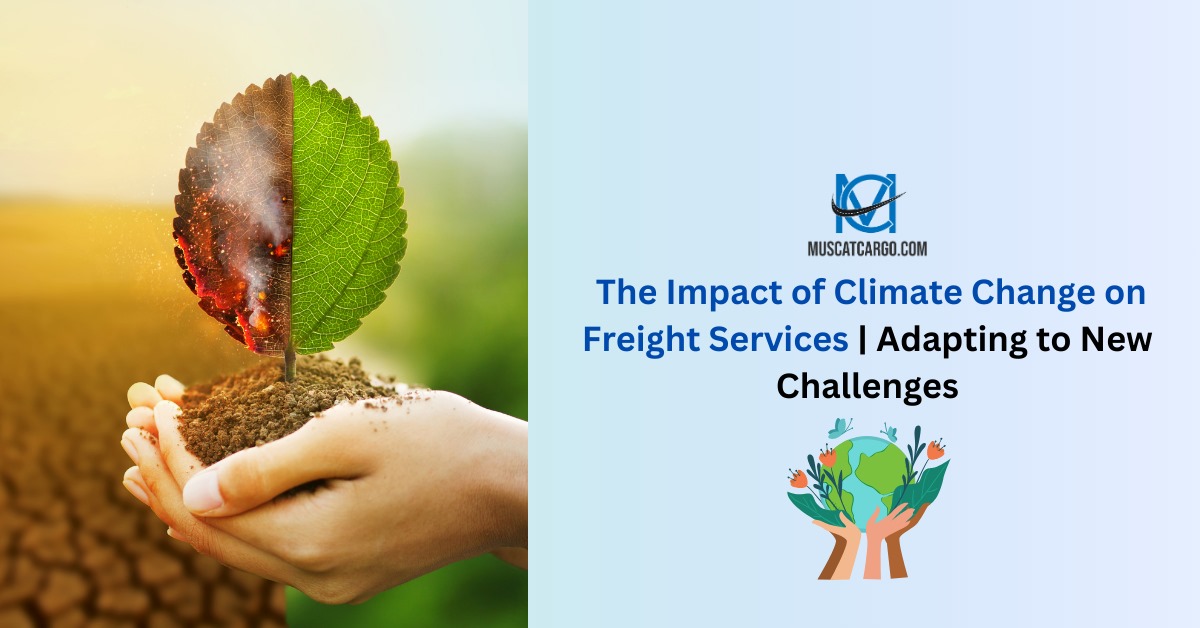
Climate change is reshaping industries across the globe, and the freight sector is no exception. The impact of climate change on freight services is significant, influencing everything from shipping delays to operational costs. As global temperatures rise and weather patterns become more erratic, the freight industry must adapt to these changes to maintain efficiency and sustainability. In this blog, we will delve into how climate change affects logistics and the environmental impact on freight services and explore sustainable freight solutions for climate change.
How Climate Change Affects Logistics
Altered Weather Patterns and Shipping Delays
One of the most immediate effects of climate change on freight services is the alteration of weather patterns. Increasingly severe weather events, such as hurricanes, floods, and heat waves, can disrupt shipping schedules and lead to significant delays. For instance, ports may face closures due to extreme weather, and cargo routes might be rerouted to avoid hazardous conditions. These disruptions impact delivery times and increase operational costs for freight companies.
Rising Sea Levels and Port Infrastructure
The freight industry relies heavily on port infrastructure, which is increasingly at risk due to rising sea levels. Coastal ports are particularly vulnerable, with potential flooding and damage from storm surges. As sea levels continue to increase, there is a pressing need for investment in port infrastructure to mitigate these risks. This includes elevating facilities, reinforcing structures, and developing more resilient designs to ensure ports can withstand future climate impacts.
Increased Fuel Consumption and Costs
Climate change is also affecting fuel consumption in the freight industry. Fuel consumption is rising with longer shipping routes and more frequent detours due to adverse weather conditions. This increases freight companies’ costs and contributes to higher carbon emissions. Addressing these challenges requires a shift towards more sustainable practices and fuel-efficient technologies.
Environmental Impact on Freight Services
Carbon Emissions and Air Quality
The freight industry is a significant contributor to global carbon emissions. As climate change intensifies, reducing these emissions becomes more critical. Freight services are under increasing pressure to adopt greener practices and technologies. This includes transitioning to alternative fuels, improving fuel efficiency, and investing in cleaner transportation options. The industry can mitigate its environmental impact and contribute to global climate goals by reducing carbon emissions.
The Role of Sustainable Freight Solutions
Sustainable freight solutions are essential in addressing the impact of climate change on freight services. These solutions include the adoption of energy-efficient vehicles, the use of renewable energy sources, and the optimization of supply chain operations. By embracing these practices, the freight industry can reduce its environmental footprint and enhance its resilience to climate-related disruptions.
Strategies for Mitigating the Impact of Climate Change
Embracing Green Technologies
One effective strategy for mitigating the impact of climate change is adopting green technologies. This includes investing in electric and hybrid vehicles, exploring alternative fuels, and implementing energy-efficient practices. By integrating these technologies, freight companies can reduce their carbon footprint and improve operational efficiency.
Enhancing Supply Chain Resilience
Another critical strategy is building resilience in the supply chain. This involves developing contingency plans for weather-related disruptions, diversifying transportation routes, and investing in infrastructure improvements. By preparing for potential climate-related challenges, freight companies can minimize the impact of disruptions and maintain reliable service.
Collaborating for Climate Action
Collaboration between stakeholders is key to addressing climate change’s impact on the freight industry. Freight companies, government agencies, and environmental organizations must work together to develop and implement effective climate action plans. This collaborative approach can drive innovation, promote sustainable practices, and support industry-wide efforts to combat climate change.
Contact Us
For more information on how climate change impacts freight services and how Muscat Cargo can help you navigate these challenges, please get in touch with us. Our team is here to provide insights, solutions, and support for your freight needs.